
Valuation Modernization: Expanding Beyond Traditional Appraisals
As the mortgage industry continues to modernize, valuation solutions are evolving beyond the traditional interior appraisal model. While full appraisals remain necessary for many transactions, lenders now have access to a broader range of valuation options designed to improve efficiency, reduce cycle times, lower costs, and better align collateral risk with valuation requirements.
The implementation of the new URAR and UAD 3.6 framework further supports this evolution by providing a single reporting structure capable of accommodating various appraisal assignment types, including desktop, hybrid, and exterior-only appraisals.
The Shift Toward a Risk-Based Valuation Strategy
Rather than relying on a traditional appraisal for every transaction, lenders increasingly have the ability to select valuation solutions based on risk, data availability, property complexity, and GSE eligibility.
The valuation spectrum now includes:
- Appraisal Waivers (Value Acceptance / ACE)
- Property Data Report (PDR) Programs
- Desktop Appraisals
- Hybrid Appraisals
- Exterior-Only Appraisals
- Traditional Interior Appraisals
Each option offers varying levels of valuation support while balancing speed, cost, and risk management.
Appraisal Waivers: The Most Efficient Valuation Option
Appraisal waivers represent the most significant departure from the traditional appraisal process.
Through:
- Fannie Mae Value Acceptance
- Freddie Mac ACE (Automated Collateral Evaluation)
Eligible loans may receive a waiver of the appraisal requirement when the GSEs determine sufficient confidence exists in the property’s value based on available collateral and historical property data.
Benefits
- Eliminates appraisal costs
- Reduces loan cycle times
- Improves borrower experience
- Removes appraisal-related processing delays
- Allows appraiser resources to focus on more complex assignments
As lender confidence in GSE collateral datasets grows, appraisal waivers will likely continue to play an expanded role in eligible low-risk transactions.
Property Data Reports (PDRs): Building the Foundation for Alternative Valuations
Property Data Reports serve as an important component of the modernization effort.
A qualified third-party data collector gathers property information including:
- Interior and exterior photographs
- Floor plans and measurements
- Condition observations
- Property characteristics
- Room counts
The PDR itself does not provide a value opinion. Rather, it creates a standardized property data package that can be utilized in several valuation solutions.
Strategic Value
PDRs allow lenders to obtain verified property information without necessarily requiring a traditional appraiser inspection.
This data may be leveraged within:
- Value Acceptance + Property Data programs
- ACE + PDR programs
- Desktop appraisals
- Hybrid appraisals
The result is greater flexibility and reduced dependency on traditional field appraiser inspections.
Desktop Appraisals
Desktop appraisals represent one of the most significant alternatives to the traditional appraisal model.
Using a combination of:
- PDR data
- MLS data
- Public records
- Prior valuations
- Property imagery
- Market data
The appraiser develops a value opinion without conducting a physical inspection.
Benefits
- Faster turn times
- Increased lender efficiency
- Reduced scheduling constraints
- Better scalability during volume increases
- Lower operational costs
Desktop products are particularly effective when reliable property data is available and collateral risk is appropriately managed.
Hybrid Appraisals
Hybrid appraisals separate property data collection from valuation analysis.
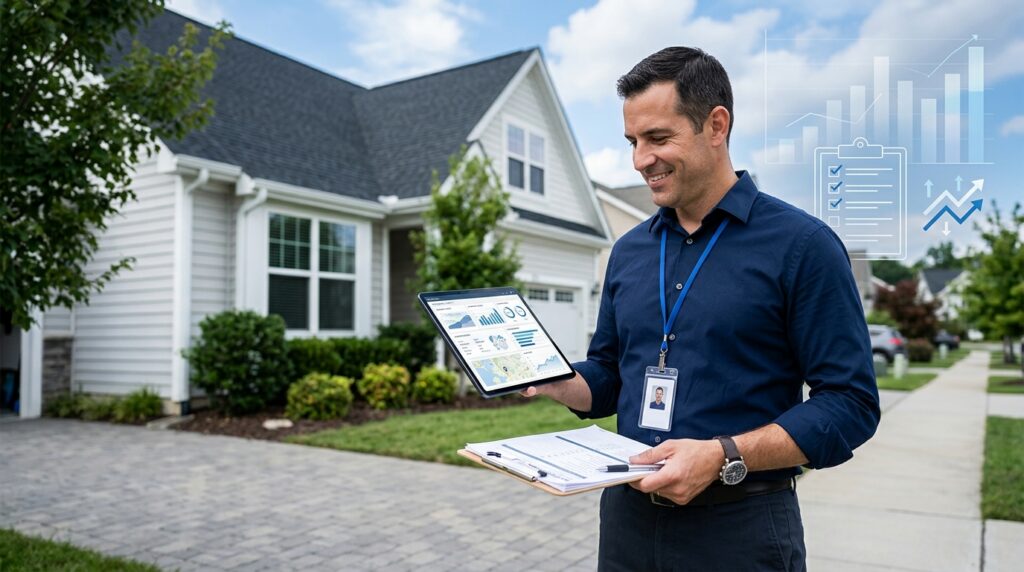
A trained data collector performs the onsite property inspection while a licensed appraiser completes the valuation analysis and final appraisal report.
Benefits
- Expands capacity in constrained markets
- Reduces appraiser travel time
- Improves appraisal turn times
- Allows appraisers to focus on analysis rather than inspection logistics
- Supports scalability during fluctuating market conditions
As appraisal capacity challenges continue across portions of the industry, hybrid products offer a practical solution while maintaining appraiser oversight.
Exterior-Only Appraisals
Exterior-only assignments remain another alternative between traditional and desktop products.
Under this approach:
- The appraiser performs an exterior inspection.
- Additional property data is obtained from other reliable sources.
This option can reduce inspection complexity while still providing appraiser observation of the subject property.
Strategic Considerations
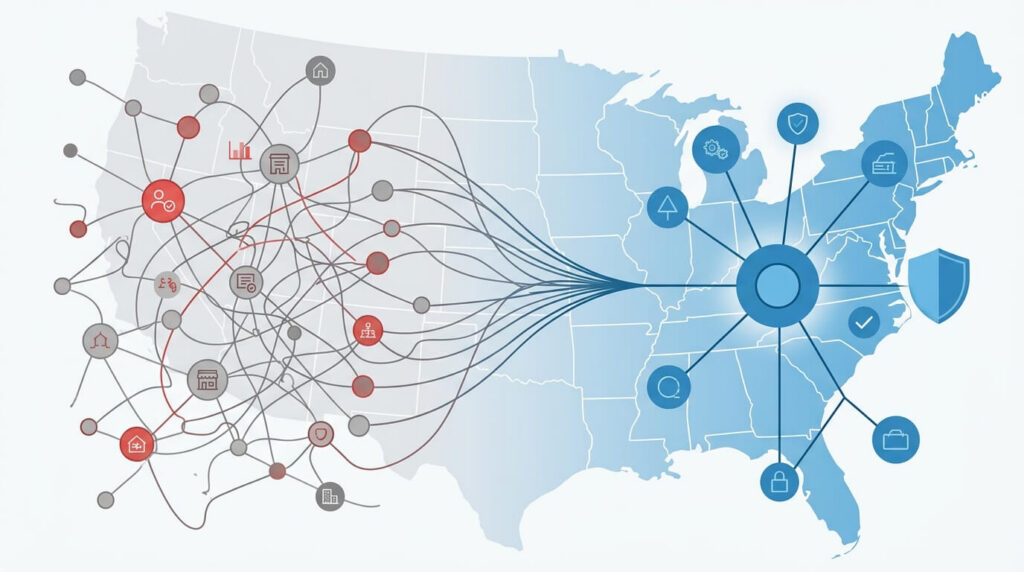
The industry is moving from a single valuation solution toward a layered valuation ecosystem.
Historically, lenders had limited options beyond a traditional appraisal. Today, valuation solutions can be matched more closely to loan risk and property complexity.
Lower-risk transactions may qualify for:
- Value Acceptance
- ACE
- PDR-supported programs
Moderate-risk transactions may utilize:
- Desktop appraisals
- Hybrid appraisals
Higher-risk or complex transactions will continue to require:
- Traditional interior appraisals
Summary
The modernization of valuation is not centered on replacing the traditional appraisal. Rather, it is about providing lenders with a broader set of tools to align valuation requirements with transaction risk. Appraisal waivers, PDRs, desktop appraisals, and hybrid appraisals create meaningful opportunities to improve efficiency, reduce costs, enhance borrower experience, and better allocate appraisal resources while reserving traditional appraisals for the transactions where they provide the greatest value.